Big Sister Embroidery Design Review for Real Projects
As an experienced embroidery designer, I’m always on the lookout for machine embroidery designs that can elevate a handmade product or commercial order with minimal effort and maximum impact. Recently, I tested Big Sister, a butterfly and flower design from Creative Fabrica’s Family Friends category. This review is based on my hands-on experience using it across various real-world applications—like tote bags, sweatshirts, and baby items—to help you decide if this digital embroidery file fits your creative needs.
First Impressions of Big Sister
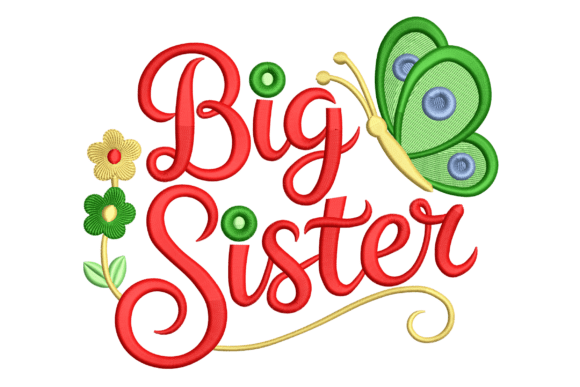
The first thing I noticed about Big Sister was its cheerful and celebratory visual mood. The design features a vibrant butterfly paired with delicate floral elements, creating a whimsical yet elegant look. The title is rendered in bold, swirly lettering, which adds a playful touch without being overwhelming. It’s clear that this design is intended to commemorate sibling milestones, making it perfect for personalized gifts or family-themed apparel.
I appreciated the level of detail in the stitching layout. The mix of satin stitch outlines and fill stitch areas gives the design dimension and texture. The decorative appeal is strong, especially when viewed at a glance—something crucial for products like tote bags or patches where the design must catch attention quickly. While the description doesn’t specify thread colors or file formats, the design itself felt versatile enough to adapt to different color palettes and fabric types.
Real-World Performance: What Works and What Doesn’t
When evaluating an embroidery design for use, I consider how well it translates to common projects. Here's how Big Sister performed across several practical applications:
- Tote Bag Design: The design worked beautifully on cotton canvas. The floral elements added a soft contrast against the plain background, and the butterfly became a focal point. However, due to the intricate details, I recommend using a medium-weight stabilizer to prevent distortion during washing.
- Sweatshirt Embroidery: On a 50/50 cotton-polyester blend, the design stitched cleanly but required some adjustment in tension. The dense stitch areas around the butterfly wings were prone to puckling if not stabilized properly.
- Baby Blanket and Pillow Covers: These are ideal surfaces for Big Sister. The larger hoop size allowed for full coverage, and the design’s organic shapes blended well with pastel tones often used in nursery decor. Just be mindful of the small text and ensure it remains legible after stitching.
- Kitchen Towels and Aprons: The design holds up well on woven cotton, though frequent washing may cause slight fading depending on the thread quality used. A light backing stabilizer helped maintain shape and clarity over time.
- Caps and Patches: For curved cap surfaces, the design needed some resizing and repositioning to fit within the limited space. As an embroidered patch, it looked fantastic—especially when sewn onto denim or canvas. The layered details gave it a 3D effect that enhanced its giftability.
Small Hoop Sizes and Text Considerations
If you're working with smaller hoop sizes, such as those used for caps or patches, you’ll need to scale down Big Sister carefully. The intricate floral patterns and butterfly wings contain many tiny details that could become lost in a reduced version. I found that keeping the main text ("Big Sister") above 1.5 inches in height maintained readability and charm.
Additionally, the design includes some fine line work and small script elements. These require testing on scrap fabric before committing to a finished product, especially if your project involves stretchy or textured materials. Without proper adjustments, these details might not render clearly, impacting the overall presentation.
Design Compatibility and Fabric Recommendations
While Big Sister is primarily a machine embroidery design, its structure also allows for partial integration with applique techniques. The bold title section could easily be cut out separately and applied via satin stitch, while the surrounding flowers and butterfly offer a great opportunity for color play.
Here are a few fabric-specific tips:
- Dark Fabric: Use light thread colors for visibility. Dark backgrounds can make the design less noticeable unless contrast is intentional.
- Stretchy Fabrics: Avoid using this design on spandex or similar materials without additional support. Stretch can distort the delicate lines and curves.
- Textured Fabrics: The design adapts well to quilting cotton or linen but requires more attention to stitch density and tension to avoid gaps or unevenness.
Commercial and Handmade Applications
For Etsy sellers and boutique owners, Big Sister has excellent potential as a custom apparel or gift item. Its theme naturally aligns with milestone events like baby showers, birthdays, or holiday gifts. When used on a sweatshirt or tote bag, it can serve as a unique identifier for your brand or shop. The design assets included with the file (if available) can also be used to create printable mockups for listings, improving buyer trust and visual appeal.
In commercial embroidery settings, this design could enhance seasonal handmade gifts or family-themed merchandise. It’s important to note, however, that licensing terms should be confirmed on the Creative Fabrica product page before selling any finished products. Always check whether the design supports resale and commercial use to avoid legal complications later.
Enhancing Product Value and Customer Engagement
What makes Big Sister stand out is its emotional resonance. The design speaks directly to the joy of becoming a big sister, which is powerful for customer engagement. Whether you’re creating personalized gifts or designing for a store, this sentiment can increase perceived value and encourage repeat purchases.
I found that incorporating Big Sister into handmade products made them feel more special. Buyers responded positively to the visual storytelling—the butterfly symbolizing growth and the flowers representing care and love. When photographing these items for online listings, the design’s boldness and color contrast helped the product stand out, even against cluttered backdrops.
Practical Tips for Using Big Sister
To get the best results from this design, here are a few essential steps I recommend:
- Test on Scrap Fabric: Always do a trial run before starting on your final product. This helps identify issues with stitch density or tension.
- Check Thread Color Contrast: Especially on dark fabrics, choose thread colors that pop and maintain the design’s vibrancy.
- Review Stitch Density: Dense stitch areas may require thinning or adjusting the stitch type to prevent puckering.
- Confirm Hoop Size: Ensure the hoop you plan to use accommodates the design fully, particularly if you want to showcase all elements.
- Use Proper Stabilizer: A tear-away or wash-away stabilizer is highly recommended for delicate or stretchy fabrics.
- Inspect Small Details After Stitching: The finer elements may need trimming or cleaning up post-stitch to maintain a polished finish.
- Compare Light and Dark Fabric Mockups: If the design lacks specific mockup examples, test it on both to see which offers better visual impact.
- Check File Details and Licensing: Before using the design commercially, verify compatibility with your machine and confirm that it supports resale and production quantities.
Final Thoughts on Big Sister
Overall, Big Sister is a charming and versatile addition to any embroidery collection. Its cheerful aesthetic and thoughtful composition make it suitable for a wide range of projects—from heartfelt handmade gifts to professional custom apparel. As a designer who values both function and flair, I appreciate how this design balances creativity with usability.
Whether you're an Etsy seller looking to expand your product offerings or a craft fair vendor aiming to create something memorable, Big Sister has the potential to become a staple in your lineup. Just remember to take the necessary precautions when adapting it to different materials and scales, and always prioritize quality in the finished product.