★★★★☆4.5(449 reviews)
Spring Bird Bath Embroidery Design Review
First Impressions of the Spring Bird Bath Embroidery Design
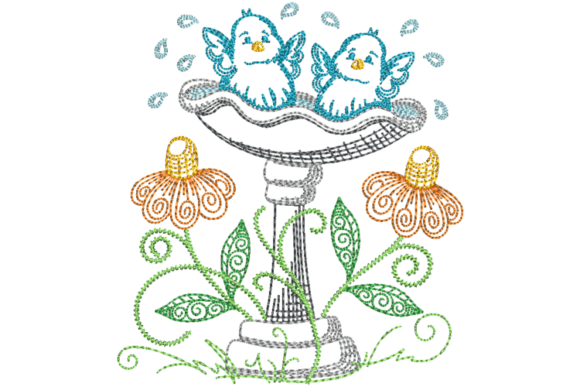
As an experienced embroidery designer, I always approach new digital embroidery files with a critical eye. The Spring Bird Bath Embroidery Design caught my attention immediately for its charming and whimsical aesthetic. Featuring two cheerful bluebirds splashing in a classic pedestal-style birdbath, it exudes the kind of playful springtime energy that’s perfect for both personal and commercial projects.Real-World Application: Where This Design Shines
- Tote bag design: The Spring Bird Bath works beautifully as a central motif on a canvas or cotton tote. It adds a touch of elegance and charm that appeals to eco-conscious shoppers looking for unique, personalized carriers.
- Sweatshirt embroidery: On a soft cotton sweatshirt, the design maintains clarity and dimension. The use of satin stitch around the birds helps them pop against the background fill stitches.
- Baby items: For baby blankets or bibs, the gentle colors and rounded shapes create a soothing yet engaging look. However, be mindful of small details like tiny lettering or feathers, which may require extra stabilizer and careful stitching.
- Pillow covers: Stitched on the front of a decorative pillow, this design becomes a focal point. It pairs well with floral borders or other nature-inspired machine embroidery designs for a cohesive spring theme.
- Handmade gifts: Whether stitched on a cardigan, a handkerchief, or a wooden patch, the Spring Bird Bath adds a thoughtful, artisanal touch that elevates the gift-giving experience.
Commercial Use Considerations
One thing I noticed is that the design’s versatility allows it to work well across various formats—whether as an embroidered patch for a cap or part of a larger set of design assets for a custom apparel line. It’s also compatible with printable mockups, which are essential for showcasing your digital embroidery file online without having to produce physical samples.Technical Notes and Practical Tips
- Test on scrap fabric first: Always run a test stitch to check thread tension and how the design interacts with the fabric. Especially important if you plan to use it on stretchy or textured materials.
- Check thread color contrast: While the default thread colors are pleasant and complementary, consider adjusting them based on your fabric choice. Darker backgrounds may need brighter thread shades to maintain visibility.
- Review stitch density: Dense areas, such as the birdbath base or water ripples, may require some tweaking depending on the fabric weight. Too much density on thin or delicate fabrics can cause puckering or distortion.
- Confirm hoop size: Though the exact hoop size isn’t listed, I recommend starting with a 6x10 inch hoop. If you’re planning to scale down the design for smaller items like patches or caps, double-check that all elements remain clear and legible after resizing.
- Use proper stabilizer: A tear-away or cut-away stabilizer is recommended, particularly for washable items like kitchen towels or baby blankets. The stabilizer will help maintain the integrity of the design through repeated laundering.
- Inspect small details after stitching: Tiny feathers or facial features may not always come out perfectly. Testing allows you to catch these issues early and adjust the stitch type or density accordingly.
- Compare light and dark fabric mockups: Before finalizing your design layout, compare how it looks on both light and dark tones. This will help you choose the right placement and thread colors for optimal impact.
- Confirm file details and licensing: Always revisit the Creative Fabrica product page to verify compatibility with your embroidery software and machine, as well as confirm that the design is suitable for commercial embroidery.
Working With Different Fabrics and Products
- Dark fabric: The design still holds up well on darker backgrounds, but the water ripple effects may lose some definition. Using metallic or contrasting threads can enhance visibility.
- Stretchy fabric: Be cautious with knits or stretchy materials. The dynamic shapes of the birds can distort if the fabric stretches unevenly during stitching. A light-weight interfacing layer underneath often helps.
- Curved surfaces (e.g., caps): When adapting the design for curved surfaces like baseball caps, scaling it down while maintaining proportions is key. Make sure the birds are centered and the design doesn’t get squashed at the edges.
- Layered details: The design includes subtle layers that give it depth. These should be preserved in your stitching process to retain the visual storytelling aspect.
- Frequent washing: For items like aprons or dish towels, the stitch density and backing material are crucial. Opt for durable thread types and ensure the design is backed properly to avoid fraying or loosening over time.
Final Thoughts for Embroidery Designers and Sellers
The Spring Bird Bath Embroidery Design is a standout addition to any embroidery designer's library. Its balanced detail, friendly vibe, and adaptability across multiple product types make it a reliable asset for both personal and commercial embroidery projects. That said, as with any machine embroidery design, success depends on preparation. Take the time to test, adjust, and understand how the design interacts with your chosen materials and machines. Once mastered, it can elevate your handmade product offerings and bring a fresh, spring-inspired element to your portfolio.
⬇️ Download Free
Free download · No sign-up required
🔗 You Might Also Like
Birds
First Impressions of Spring Bird and Floral As an experienced embroidery designe...
Birds
First Impressions: A Botanical Masterpiece with Personality The Folk Art Floral ...
Birds
First Impressions: A Playful and Premium Embroidery File As an experienced embro...
Birds
As an experienced embroidery designer, I'm always on the lookout for unique and ...
Birds
A Graceful Addition to Your Handmade Gift Collection As an experienced embroider...
